Best Wood for Raised Garden Beds and Planters: Are Scaffold Boards a Good Choice?

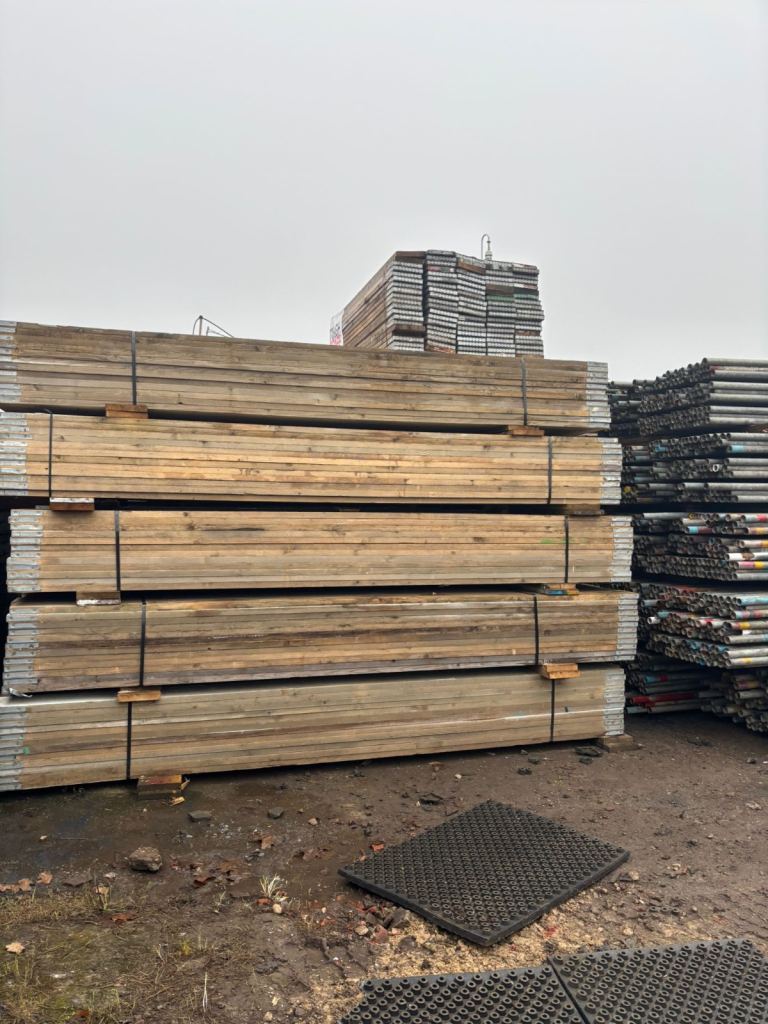
Do you need a trusted supplier for reclaimed scaffolding boards? check me out on Facebook we supply them.
https://www.facebook.com/commerce/listing/26791614290469951/?media_id=0&ref=share_attachment
If you are searching for the best wood for raised garden beds or the best timber for wooden planters, you are probably trying to work out three things:
- what will last
- what is safe to grow in
- what gives you the best value for money
That is exactly where a lot of buyers get stuck.
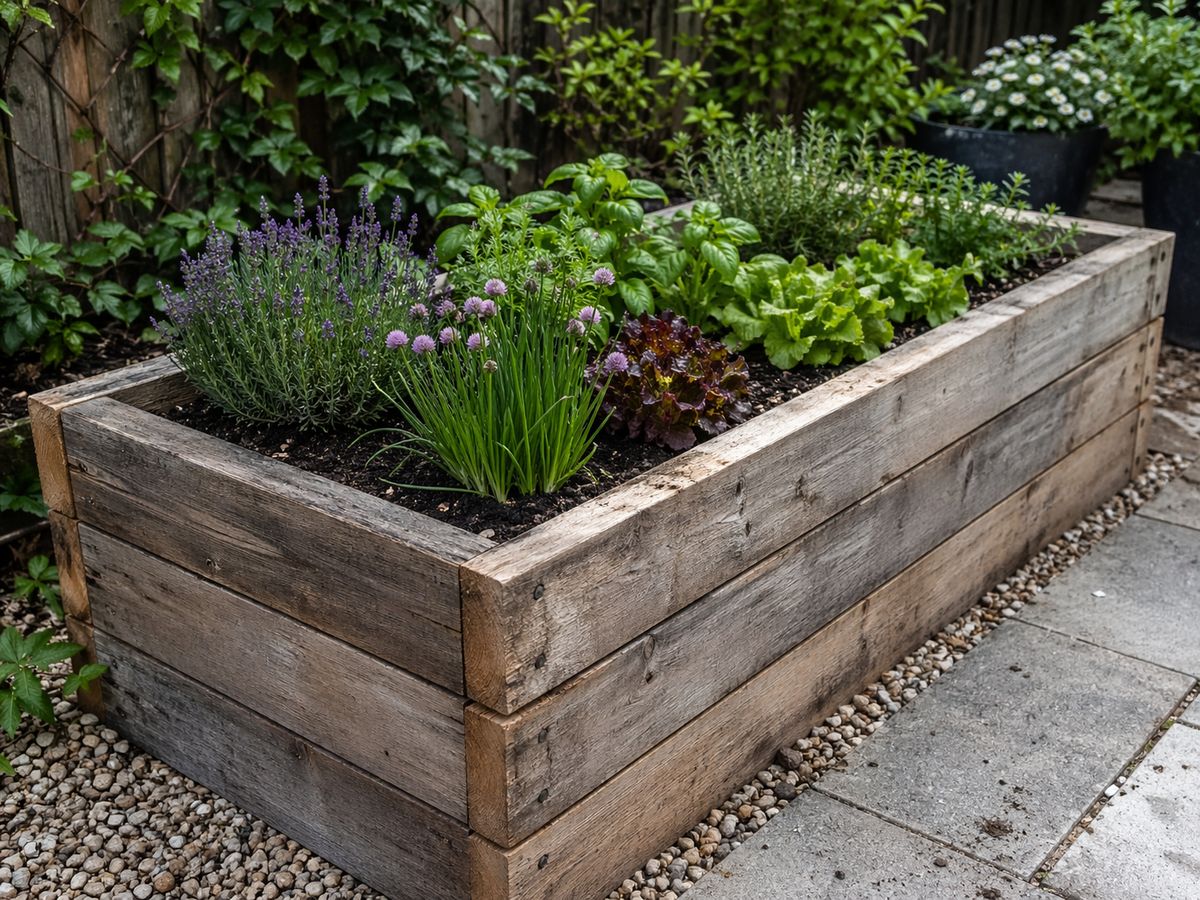
Some people look at cedar, oak or sleepers. Others search for cheaper options like softwood. A lot of practical buyers end up looking at scaffold boards, especially if they want a chunky timber look for raised beds, planter boxes, vegetable beds, herb planters or bespoke garden builds. The RHS lists timber as the most popular material for raised beds and specifically notes that raised beds can be made from pressure-treated timber, sleepers, scaffold boards and recycled plastic.
At AA Trading Merchants, this is one of the biggest reasons customers buy reclaimed and cut-to-size boards. They are not always building shelves or benches. Many are building:
- raised vegetable beds
- wooden planter boxes
- herb planters
- flower beds
- garden edging
- potting benches
- custom garden furniture
- bespoke outdoor storage or growing spaces

So this guide will break down:
- the best wood options for raised beds and planters
- when scaffold boards are a good choice
- what buyers should think about for vegetable growing
- how deep raised beds need to be
- what lasts longest
- and which option gives the best balance of price, lifespan and appearance
Why People Choose Raised Beds and Planters in the First Place
Raised beds are popular because they solve a lot of common garden problems.
They can improve drainage, make poor soil easier to manage, warm up faster in spring, make gardening easier to reach, and allow growers to tailor the soil mix to what they want to grow. The RHS says raised beds are especially useful where native soil is poor, heavy or prone to waterlogging, and can also make crop rotation and crop protection easier.
That is why so many buyers are not just searching for “wooden planters.” They are searching for solutions such as:
- best raised bed material
- best wood for vegetable beds
- best timber for garden planters
- how to build a raised bed
- what depth should a raised bed be
- what wood lasts longest outdoors
Those are strong buying signals, because the person is usually already planning the project.
What Is the Best Wood for Raised Garden Beds?
There is not one single answer for everyone, because the “best” wood depends on budget, appearance, lifespan and how the bed will be used.
In simple terms:
- cedar and other decay-resistant hardwoods usually last longer
- softwood and scaffold boards are often better value
- pressure-treated timber is popular because it is durable and affordable
- reclaimed boards are often chosen for character, price and chunky looks
University extension guidance consistently says decay-resistant woods such as cedar and similar hardwoods tend to last longer, while pine, spruce and fir are cheaper but break down faster. Pressure-treated wood is widely used because it extends service life compared with untreated timber.
So the real question is not just “what is the best wood?”
It is:
what is the best wood for your type of raised bed?
The Main Timber Options Buyers Compare
1. Cedar and Other Decay-Resistant Woods
Cedar is one of the most commonly recommended woods for raised beds because it naturally resists rot better than many cheaper softwoods. Extension guidance also points to other durable woods such as certain oaks, locust and redwood-type options depending on market availability.
Why buyers like it
- long lifespan
- good outdoor durability
- low-maintenance compared with basic untreated softwood
- attractive appearance
Downsides
- usually more expensive
- not always the best value for larger builds
- can be over budget for simple veg beds or multiple planters
If someone is building premium raised beds and wants maximum lifespan, cedar is often high on the list. But many buyers in the real world start looking for lower-cost alternatives once they price it up.
AA Trading Merchants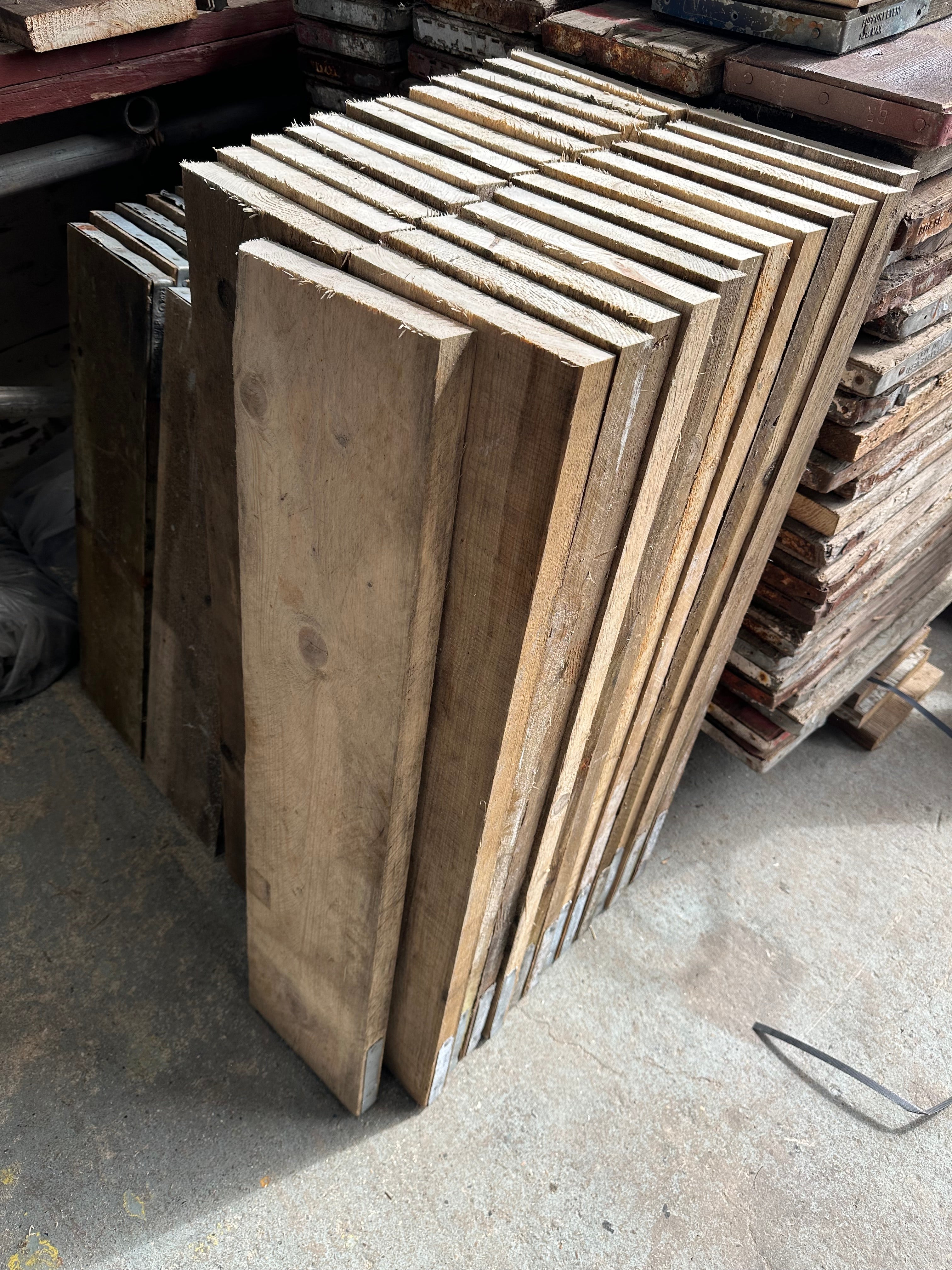
2. Pressure-Treated Timber
The RHS says pressure-treated timber is a popular and durable material for raised beds, and newer treated wood does not contain the old “nasty chemicals” associated with much older timber treatments. RHS also notes that if you want to be extra cautious, you can line the bed.
Extension guidance also explains that modern residential pressure-treated wood is different from older arsenic-based treatments, and that older lumber or CCA-treated timber should be avoided for edible growing. Some guidance suggests lining the inner face of the bed to reduce soil contact.
Why buyers like it
- durable
- easy to source
- good lifespan for the money
- common for raised veg beds and planters
Downsides
- some buyers still prefer untreated or reclaimed timber
- appearance can feel more basic or less characterful
- not everyone likes using treated wood for edible crops, even though current guidance is more reassuring than older advice
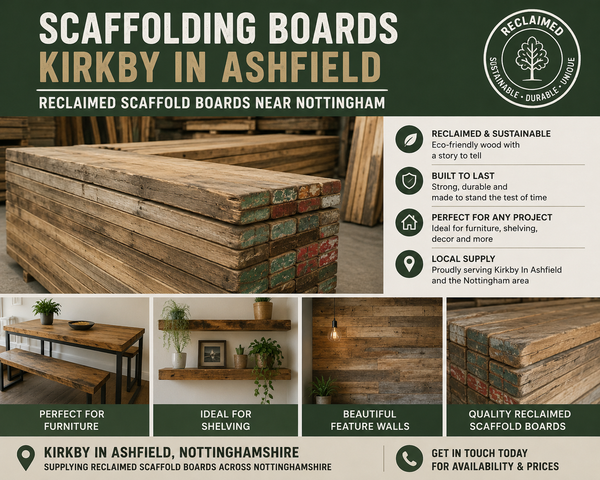
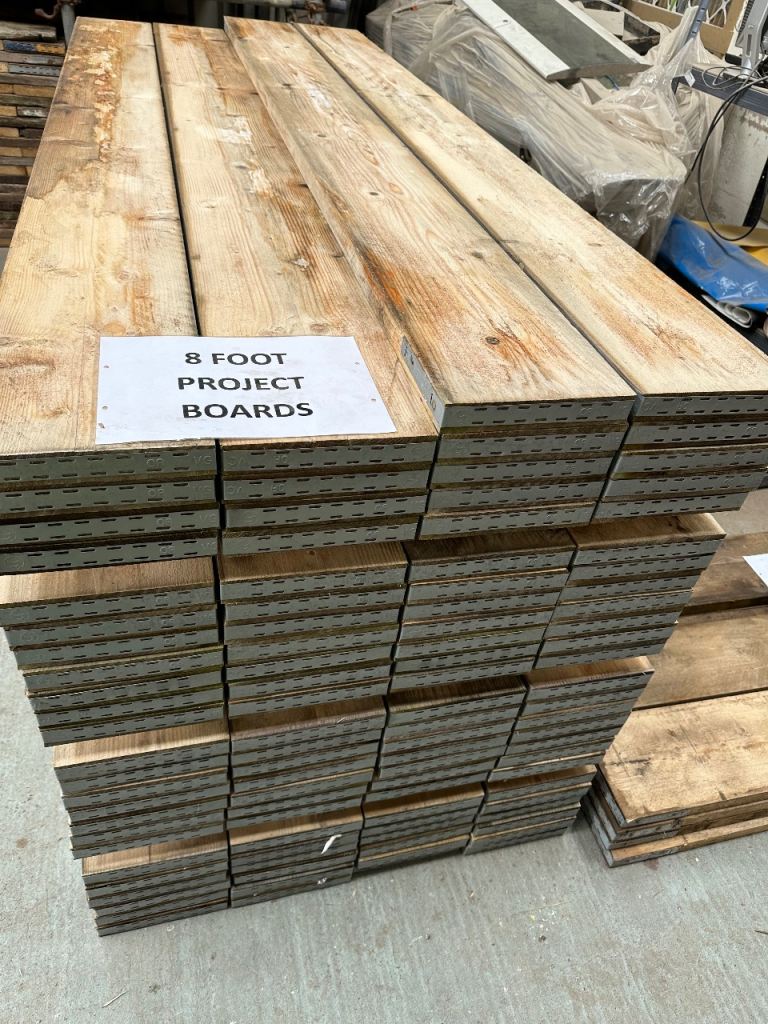
3. Scaffold Boards
This is where your angle gets strong.
The RHS specifically includes scaffold boards as one of the timber options for raised beds. It also notes that untreated wood such as recycled pallets and scaffold boards has a shorter life than treated wood, but can be painted with preservative and lined internally to help extend lifespan and reduce leaching concerns.
That makes scaffold boards highly relevant for buyers searching things like:
- scaffold boards for raised beds
- reclaimed scaffold boards for planters
- best cheap wood for raised beds
- chunky timber for garden planters
- rustic timber raised beds
Why buyers like scaffold boards
- chunky, strong look
- good value compared with premium hardwoods
- ideal for made-to-size raised beds
- great for rustic gardens and bespoke planters
- useful for matching beds, benches and shelves in the same style
AA Trading Merchants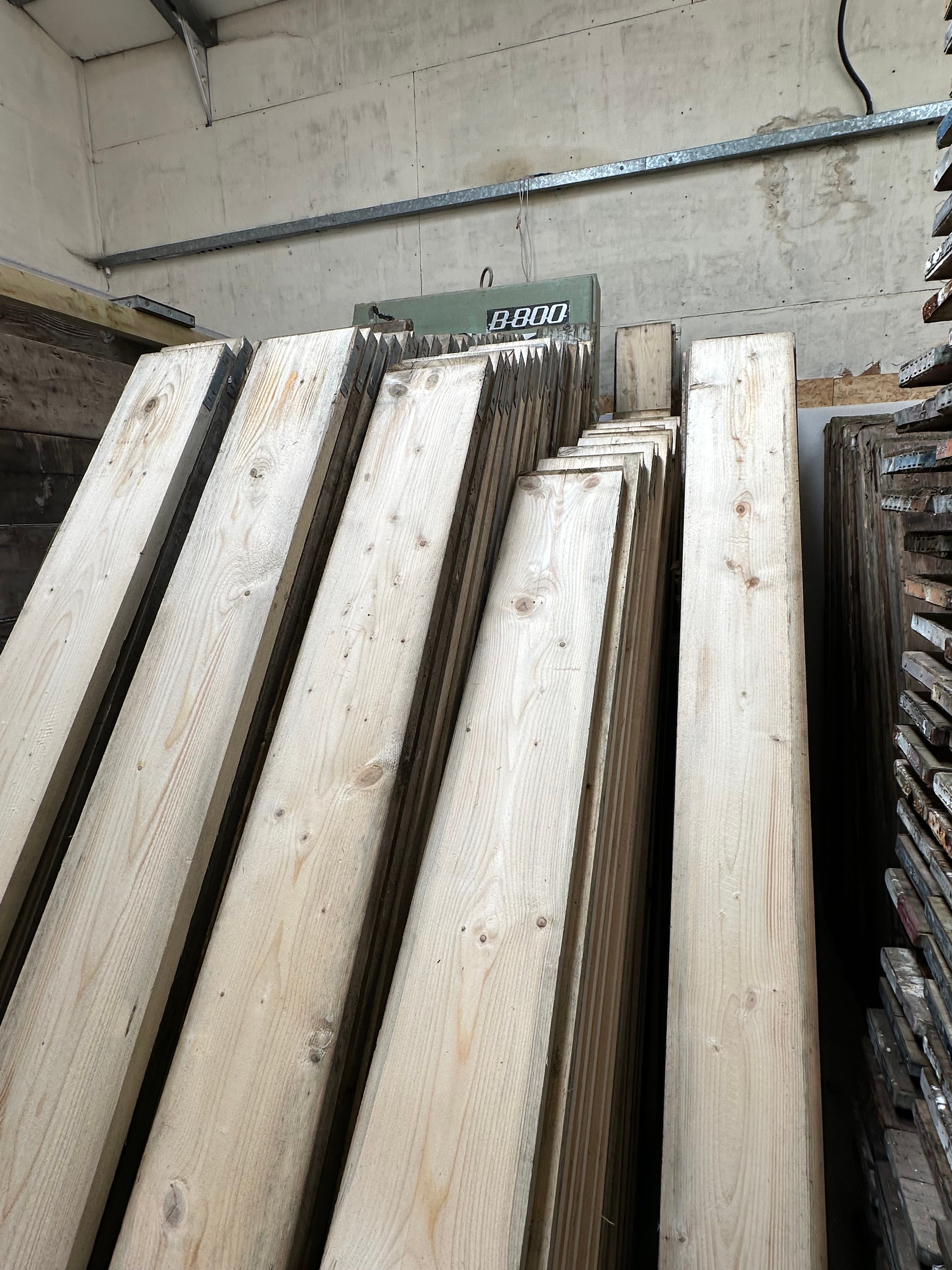
Where scaffold boards make the most sense
- bespoke planters
- raised flower beds
- herb planters
- ornamental beds
- rustic vegetable beds
- cut-to-size garden projects
- buyers who want a practical but attractive timber option
Important point
If the boards are reclaimed and the growing bed is for edible crops, it is sensible for buyers to ask about the timber’s history and line the inside of the bed as a precaution. That is especially important when using reclaimed timber of uncertain prior use. RHS recommends lining untreated scaffold-board beds and avoiding old creosote railway sleepers in gardens.
That does not make scaffold boards a bad choice. It just means buyers should be sensible and informed.
So Are Scaffold Boards Good for Raised Beds?
Yes — for many buyers, they are a very good choice.
They are especially strong if the customer wants:
- a cost-effective timber option
- a chunky, attractive look
- custom lengths
- bespoke beds or planters
- a material that also works for matching benches, shelves or tables nearby
They are probably not the automatic best choice for every single person. If someone wants maximum lifespan with very little maintenance and budget is not a concern, decay-resistant hardwood may appeal more. But for many practical buyers, scaffold boards hit the sweet spot between price, strength, looks and flexibility.
That is why they keep showing up in real garden builds.
Best Wood for Vegetable Raised Beds
This is one of the biggest search terms, so it is worth answering directly.
For vegetable beds, buyers usually care about:
- safe materials
- enough bed depth
- durability
- cost
- easy replacement later if needed
The RHS says a depth of about 30cm / 1ft is enough for shallow-rooted crops such as salad leaves and strawberries, while 45cm / 18in or more is better for many deeper-rooted plants, fruit bushes, shrubs and small trees.
For the wood itself, the practical options most buyers compare are:
- pressure-treated timber
- cedar or another rot-resistant wood
- scaffold boards
- sleepers
- simple untreated softwood
A practical answer
If the buyer wants premium lifespan, cedar-type decay-resistant timber is strong.
If the buyer wants good durability for the money, modern pressure-treated wood is commonly used.
If the buyer wants value, chunky looks and custom sizing, scaffold boards are a very attractive option — especially when lined and used with sensible precautions for edible growing.
Best Wood for Planter Boxes
Planter boxes are slightly different from larger raised beds because buyers often care even more about appearance.
People searching for planter boxes are often looking for:
- decorative wooden planters
- bespoke planters
- rustic planters
- large garden planters
- wooden herb planters
- made-to-order planter boxes
That means scaffold boards are often even more attractive here than in standard veg beds.
Why?
Because the board thickness and reclaimed look work well for:
- statement planters
- rustic gardens
- patios
- pub or café planters
- matching furniture sets
- decorative front-garden boxes
If someone wants a luxury rustic planter look without paying hardwood prices, scaffold boards are often a very smart option.
How Long Do Wooden Raised Beds Last?
This depends on the timber, the weather exposure, soil contact and whether the bed is lined or protected.
General guidance is very consistent:
- decay-resistant hardwoods last longer
- untreated softwoods are cheaper but shorter-lived
- pressure-treated timber improves life
- damp soil contact speeds up decay in all wood over time
- lining and preserving can help extend life
OSU Extension notes that raised beds stay wet much of the year, which speeds up wood decay, and that wood type makes a big difference to lifespan. RHS also notes untreated wood has a shorter life than treated timber.
So if a buyer asks, “What lasts longest?” the answer is usually decay-resistant hardwoods.
If they ask, “What gives me the best value and still looks good?” scaffold boards become much more competitive.
What Depth Should Raised Beds Be?
This is another high-intent search.
The RHS guidance is simple and useful:
- around 30cm / 1ft works for shallow-rooting crops like salad leaves and strawberries
- around 45cm / 18in or more is better for many larger and deeper-rooted plants, including fruit bushes and shrubs
So when selling raised bed timber, it helps to think in terms of:
- low decorative planters
- standard veg beds
- deeper root beds
- taller accessible raised beds
That lets you target more search terms naturally:
- best depth for raised garden beds
- how deep should vegetable beds be
- timber for deep raised planters
- accessible raised bed timber
Why Scaffold Boards Work So Well for Custom Raised Beds
This is where scaffold boards really stand out against generic timber.
They are ideal when buyers want:
- custom lengths
- matching bed heights
- solid-looking corners
- a rustic or industrial garden style
- consistent chunky boards for multiple beds
- a material they can also use elsewhere in the garden
That last point matters a lot.
A customer who buys scaffold boards for raised beds often comes back for more to build:
- potting benches
- shelves
- side tables
- seating
- planter stands
- edging
- storage solutions
So the material does not just solve one job. It can help create a full matching garden style.
Search Terms This Topic Naturally Targets
This post is ideal for search intent around:
- best wood for raised garden beds
- best wood for vegetable planters
- best timber for raised beds
- scaffold boards for raised beds
- reclaimed scaffold boards for planters
- wooden planters made to size
- best wood for outdoor planters
- raised bed timber
- rustic wooden planters
- best cheap wood for raised beds
- raised garden beds Nottingham
- wooden planters Nottinghamshire
- scaffold boards Nottingham
Frequently Asked Questions
Are scaffold boards safe for raised beds?
They can be used for raised beds, and the RHS specifically lists scaffold boards as an option. For edible beds, it is sensible to line the inside and to be cautious with reclaimed timber if its previous exposure is unknown.
What is the longest-lasting wood for raised beds?
Decay-resistant woods such as cedar and other naturally durable timbers generally last longer than basic untreated softwoods.
Is pressure-treated wood OK for vegetable beds?
Current guidance is more reassuring than the old advice associated with much older treatments. Modern treated timber is widely used for raised beds, though some gardeners still choose to line the inside for extra caution. Older CCA-treated wood and old creosote sleepers should be avoided.
How deep should a raised bed be?
About 30cm works for shallower-rooted crops, while 45cm or more suits many larger and deeper-rooted plants.
Are scaffold boards good for planter boxes?
Yes. They are especially good for chunky, rustic-looking planter boxes, made-to-size planters and matching garden projects where buyers want strong visual appeal and good value.
Final Verdict: What Is the Best Wood for Raised Beds and Planters?
If you want the shortest answer, it is this:
- choose cedar or another durable timber if lifespan is your top priority
- choose pressure-treated timber if you want durability and practicality
- choose scaffold boards if you want strong value, chunky looks, custom sizing and versatile garden use
For many real-world buyers, scaffold boards are one of the most appealing options because they offer the best balance of:
- appearance
- price
- strength
- flexibility
- ease of custom cutting
That is especially true for people building:
- bespoke raised beds
- rustic planters
- decorative veg beds
- matching garden furniture and timber features
So are scaffold boards the best wood for every raised bed? Not always.
Are they one of the best-value and most versatile options for many buyers?
Yes — absolutely.
Looking for Scaffold Boards for Raised Beds or Planters?
At AA Trading Merchants, we supply scaffold boards for all sorts of practical garden projects, including:
- raised garden beds
- planter boxes
- vegetable beds
- herb planters
- rustic garden projects
- benches and garden furniture
- custom cut timber builds
If you already know your sizes, you can order around your project.
If you are still deciding what will work best, get in touch and we can help you choose the right boards for your raised beds or planters.