Buying Scaffolding Boards for Garden Planters in Nottingham: Best Uses, Project Ideas and Benefits
Scaffolding boards are one of the best materials for garden planters, raised beds, rustic shelves and outdoor DIY projects. Here’s why buyers in Nottingham and Nottinghamshire keep choosing them.

Buying Scaffolding Boards for Garden Planters in Nottingham: Best Uses, Project Ideas and Benefits
 AA Trading Merchants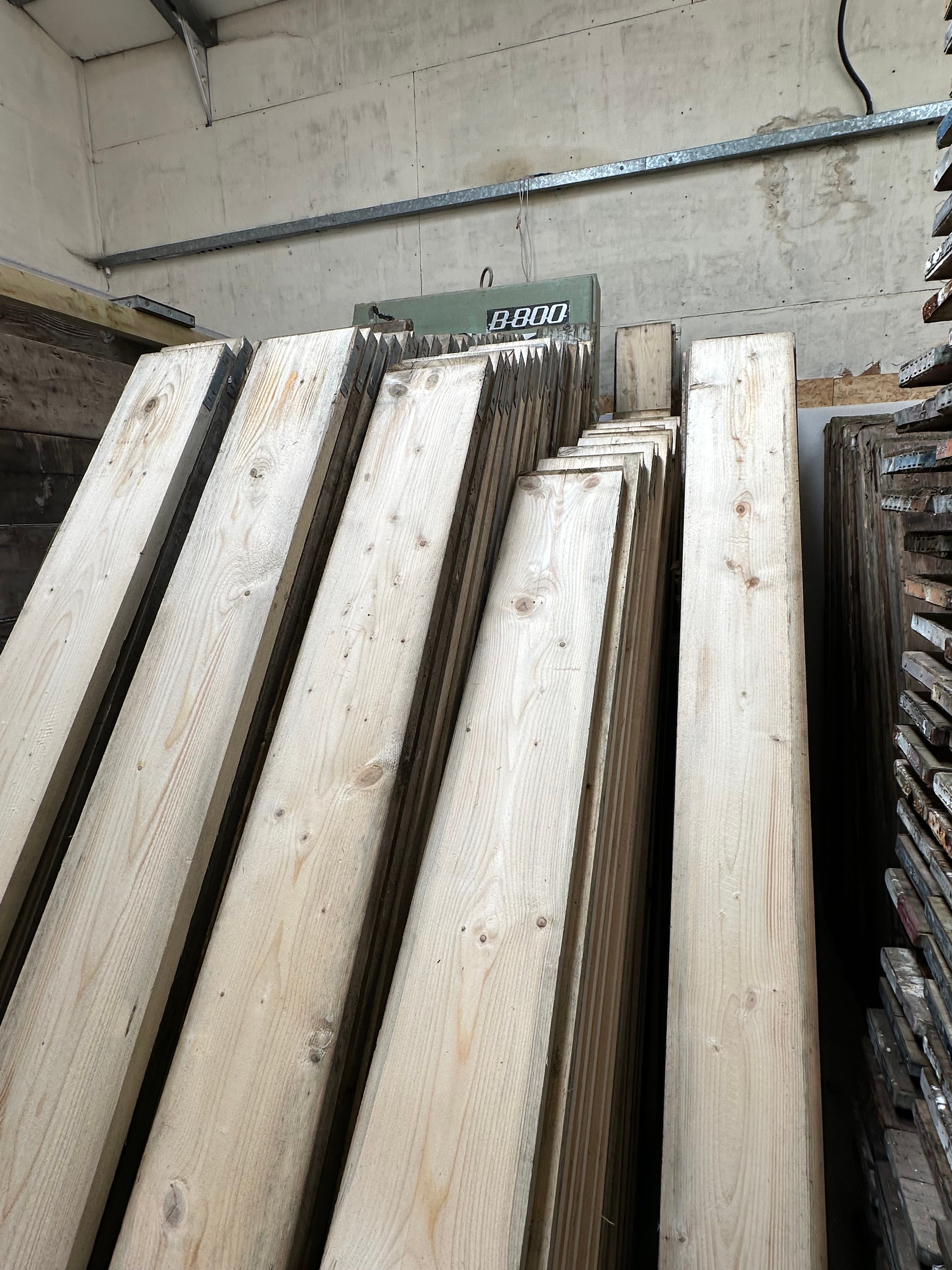
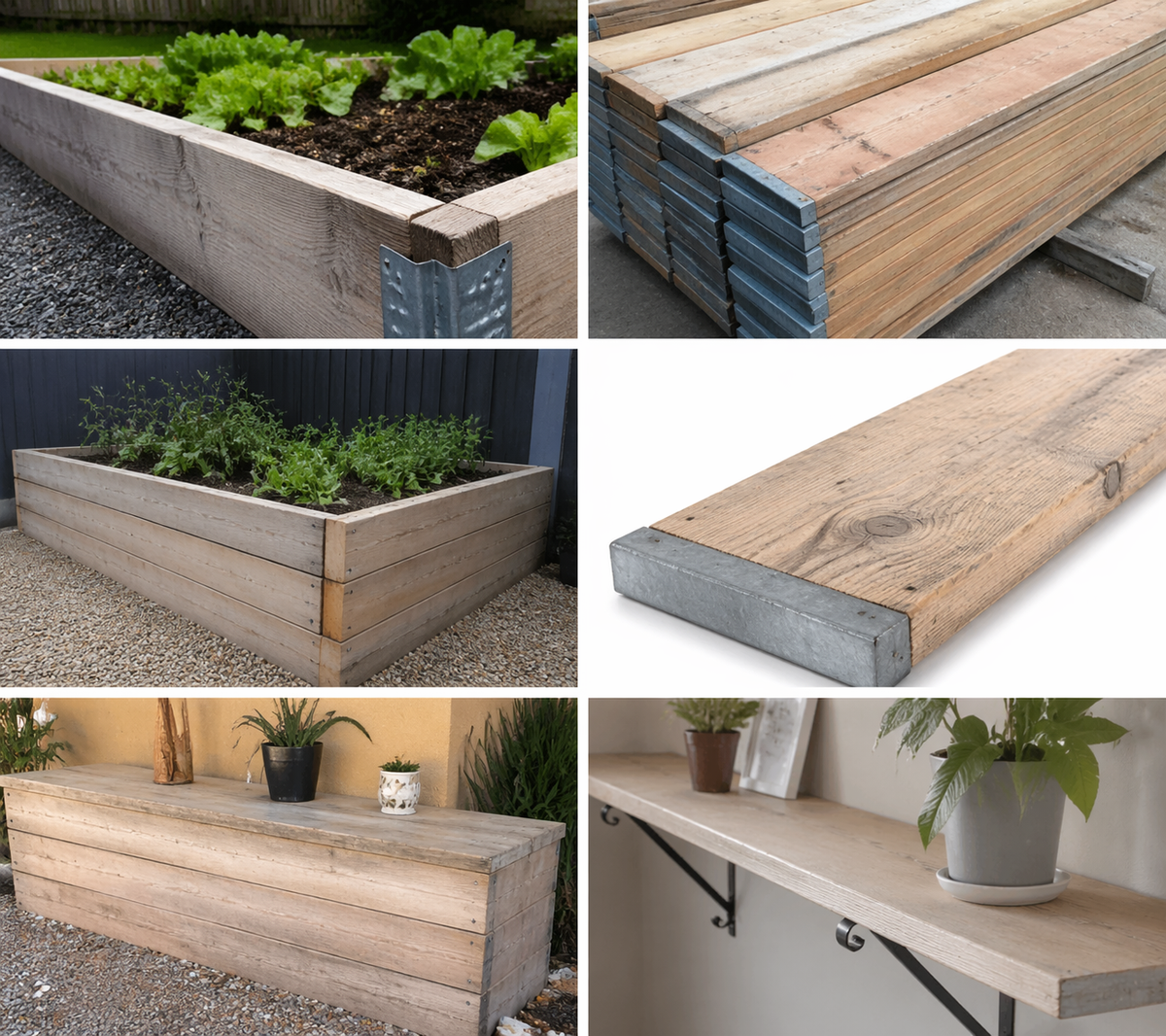
When people search for scaffolding boards in Nottingham, they are often not just looking for timber. They are looking for a material that can actually do something useful in the garden. They want boards that can become strong raised beds, rustic planters, heavy-duty shelves, outdoor benches, potting stations, edging, storage, and practical garden features that look good as well as doing the job.
That is exactly why scaffolding boards continue to attract so much interest. They are strong, versatile, characterful, and easy to use across a wide range of outdoor projects. For homeowners, landscapers, gardeners, and DIY buyers across Nottingham and Nottinghamshire, they offer a smart combination of practicality, style, and value.
If you are looking to buy scaffolding boards for garden planters or other outdoor projects, this guide explains why they are such a popular choice, what they are best used for, and what makes them so effective in both decorative and practical garden builds.
Why Buyers Choose Scaffolding Boards for Garden Projects
There are plenty of timber products available, but scaffolding boards stand out because they bring together several advantages in one material.
First, they look substantial. Their thickness and width give them a strong visual presence that thinner timber often lacks. A planter made from scaffolding boards looks more solid. A shelf made from scaffolding boards feels more like a feature. A raised bed built from scaffolding boards has a tidier, more permanent appearance than many basic timber alternatives.
Second, they are versatile. Instead of using different timber products for beds, benches, shelving, planters, and decorative details, many people use scaffolding boards throughout a garden to create a more joined-up style.
Third, they suit the rustic garden trend perfectly. Whether you choose new boards or reclaimed boards, scaffolding boards have the kind of texture and visual weight that work beautifully in outdoor spaces. They pair well with brick, stone, gravel, metal, planting, and natural landscaping materials.
And finally, they offer strong value. Buyers often want something that looks premium without turning every garden project into an expensive custom build. Scaffolding boards hit that sweet spot.
AA Trading Merchants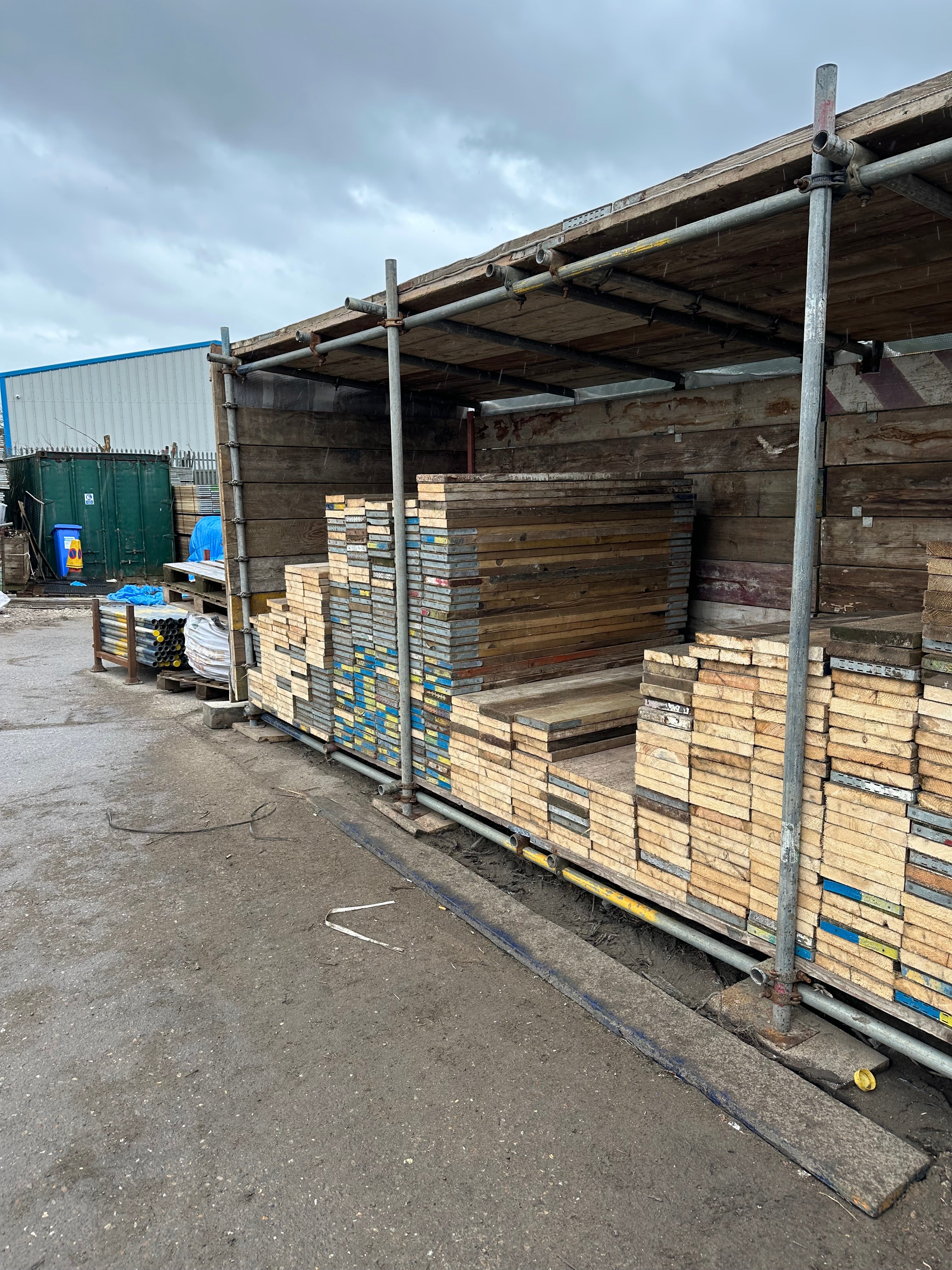
What Makes Scaffolding Boards So Good for Garden Planters
Garden planters are one of the biggest reasons people buy scaffolding boards, especially when they want something more stylish and durable than lightweight shop-bought containers.
Scaffolding board planters are popular because they create structure in the garden. They can define a patio, soften a paved area, frame an entrance, line a path, or bring order to a courtyard. They work equally well in small gardens, larger landscaped spaces, and modern outdoor areas where clean lines and natural textures are both important.
They are also flexible in shape and size. Buyers use scaffolding boards for:
- rectangular planters
- square feature planters
- long trough planters
- herb planters
- patio planters
- vegetable planters
- shrub and ornamental planters
- border planters
- compact balcony-style planting boxes
This flexibility is a major reason why scaffolding boards perform so well in search. People are not just searching for “scaffolding boards.” They are searching for boards they can use to build something useful and attractive in the garden.
Raised Beds: One of the Most Popular Uses
Raised beds are one of the strongest search angles for scaffolding boards, and for good reason. They are practical, neat, and easy to fit into almost any style of garden.
A raised bed made from scaffolding boards can help create better structure, clearer planting zones, and a more intentional layout. They are commonly used for:
- vegetable growing
- herb gardens
- flower beds
- kitchen garden layouts
- allotment-inspired spaces
- patio growing areas
- family-friendly planting projects
Scaffolding boards suit raised beds particularly well because they have that chunky, sturdy look people want. A raised bed should not feel flimsy. It should look like it belongs in the garden and is built to handle regular use, changing weather, and the weight of soil and planting.
For buyers in Nottingham and Nottinghamshire, this is often where commercial intent meets practical need. They are not just browsing ideas. They are searching for boards they can actually use to build a proper growing space.
AA Trading Merchants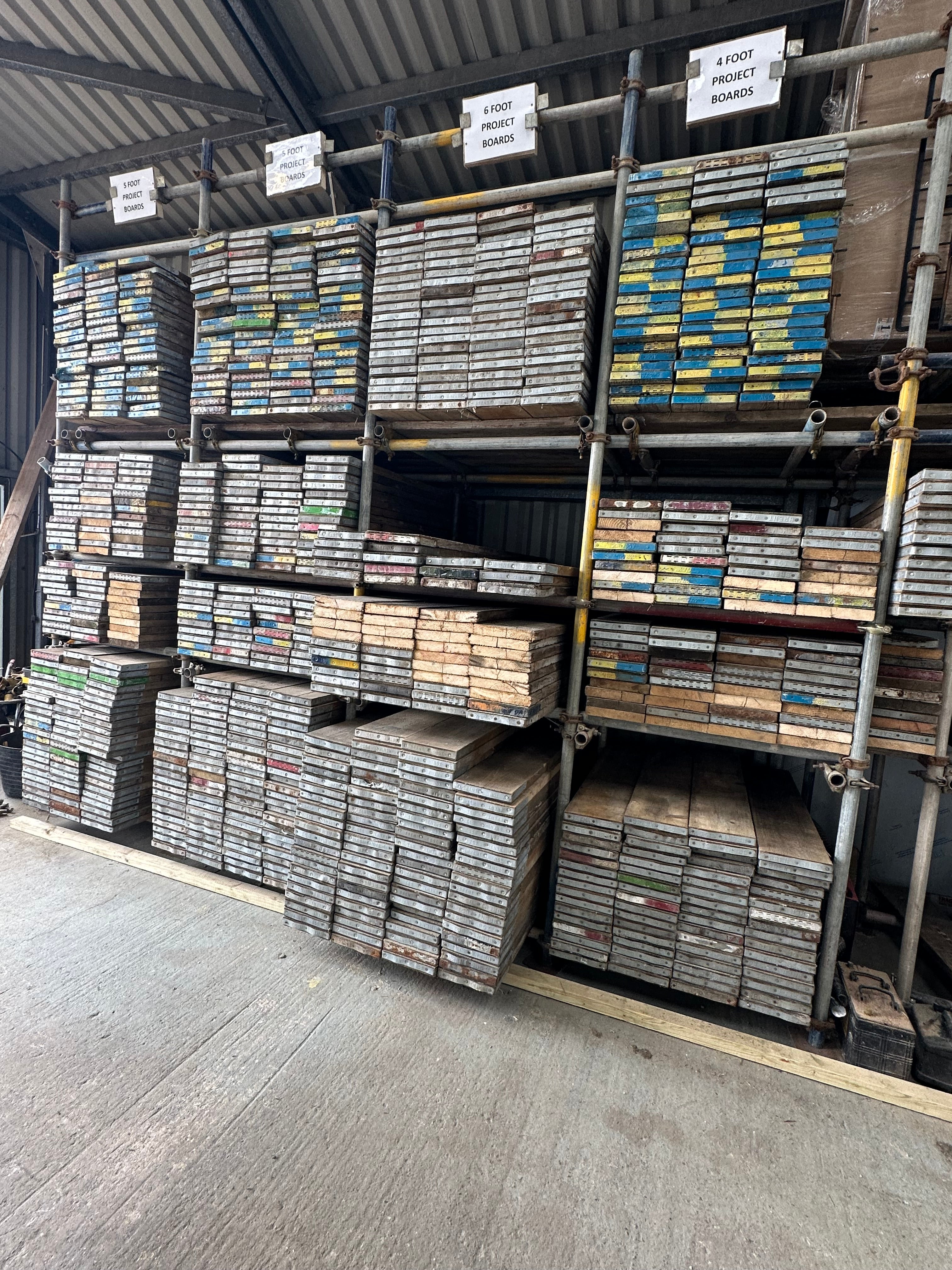
Other Garden Projects Scaffolding Boards Are Great For
One of the reasons scaffolding boards remain such a strong buying category is that they can be used for far more than planters and raised beds.
Rustic Garden Shelves
Scaffolding boards are a natural fit for rustic shelving. In the garden, they can be used in sheds, greenhouses, summerhouses, garage storage areas, potting zones, and even outdoor kitchens or BBQ spaces.
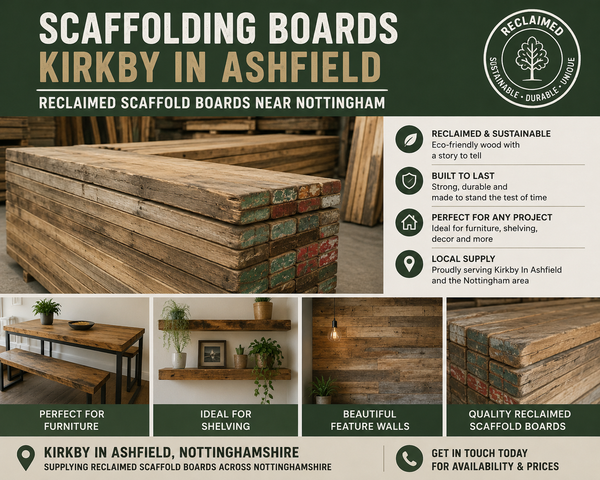
A scaffold board shelf can hold plant pots, lanterns, watering cans, seed trays, hand tools, and decorative accessories while also adding character to the space. This is especially useful for buyers searching for reclaimed scaffolding boards in Nottingham, because reclaimed timber often brings even more warmth and texture to a shelving project.
Garden Benches
If you want to build simple seating with real presence, scaffolding boards are an excellent choice. They can be used for bench tops, seat sections, or rustic seating areas paired with timber frames, brick supports, or metal legs.
A scaffold board bench works well in patios, planted corners, outdoor dining spaces, and family gardens where practical seating still needs to look good.
Potting Benches and Workstations
Many buyers choose scaffolding boards because they want practical timber for gardening tasks. Potting benches, outdoor worktops, and utility stations all benefit from the strong and substantial feel these boards offer.
They are useful for repotting plants, storing compost, organising tools, and creating a dedicated work area that feels much more permanent than a lightweight temporary table.
Outdoor Tables and Garden Furniture
Scaffolding boards are also commonly used for coffee tables, side tables, dining surfaces, outdoor bars, and serving counters. Their heavier look makes them ideal for rustic furniture projects where appearance matters just as much as function.
Garden Storage and Shed Organisation
In sheds and workshops, scaffolding boards can be used for practical shelving, worktops, boot benches, storage stands, and general garden organisation. This is a major appeal for buyers who want timber that is useful, not just decorative.
Garden Edging and Borders
Scaffolding boards can be used to define planting zones, edge lawns, separate gravel from beds, or create low-level boundary features that make a garden feel better organised.
Children’s Mud Kitchens and Play Features
For family gardens, scaffolding boards are often used for mud kitchens, mini counters, benches, and creative play projects. They allow people to build something more robust and more attractive than many off-the-shelf alternatives.
Decorative Wall Features and Garden Cladding
Some buyers use scaffolding boards for screening, wall features, fence upgrades, or decorative cladding in outdoor areas. This is especially effective in modern rustic gardens, courtyard spaces, and outdoor entertaining zones.
Why Scaffolding Boards Work So Well in Rustic Garden Design
Rustic garden design is popular because it makes outdoor spaces feel warmer, more natural, and more individual. Scaffolding boards fit that look effortlessly.
Their grain, texture, and substantial shape help create a more grounded feel than thin or overly processed timber. Reclaimed scaffolding boards are particularly popular for this because they already have visible character built in. Small marks, colour variation, and weathered texture can all make a project feel more authentic.
This is one of the main reasons people search specifically for reclaimed scaffolding boards when planning garden projects. They are not only buying timber. They are buying the look and feel that comes with it.

Why They’re a Smart Buy for Nottingham and Nottinghamshire Customers
For local buyers, convenience matters just as much as appearance and price. Scaffolding boards are bulky, so collection, local delivery, stock availability, and cut options can all influence the decision.
That is why local searches are so valuable. Buyers often search for:
- scaffolding boards Nottingham
- scaffolding boards Nottinghamshire
- reclaimed scaffolding boards Nottingham
- scaffolding boards for garden planters Nottingham
- scaffolding boards for raised beds Nottingham
- rustic scaffold boards Nottinghamshire
- scaffold board shelves Nottingham
- buy scaffolding boards near me Nottingham
- scaffolding boards cut to size Nottingham
These searches all show strong intent. They tell you the buyer usually has a project in mind already. In many cases, they are looking for the right supplier, the right finish, the right lengths, and the right type of board for a specific garden build.
What to Look For When Buying Scaffolding Boards
If you are buying scaffolding boards for garden planters, raised beds, or other outdoor projects, it helps to think beyond price alone.
Condition
Decide whether you want new boards or reclaimed boards. New boards tend to look cleaner and more consistent. Reclaimed boards usually have more rustic character and visual texture.
Size and Length
Think about the type of project you are building. Long boards may be useful for raised bed runs, benches, and larger shelves. Shorter lengths may be more practical for planters, compact garden projects, and smaller storage builds.
Finish
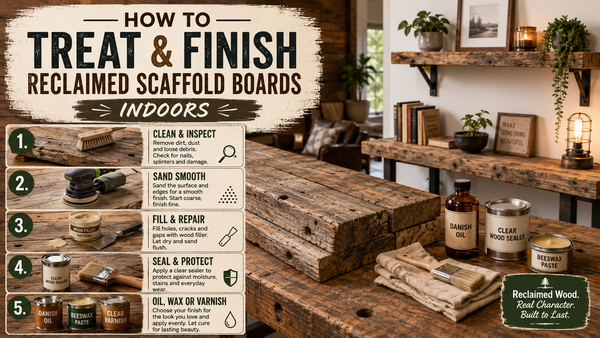
Some buyers want a rough-sawn, natural, heavily rustic look. Others want boards that can be sanded or prepared for a cleaner finish. It is always worth knowing what look you want before ordering.
Outdoor Suitability
Not all boards are marketed in exactly the same way, so it is important to check the product description and intended use rather than assuming every board is identical. This matters particularly for planters, raised beds, and long-term outdoor builds.
Delivery or Collection
Because boards are large and heavy, local delivery or a sensible collection option can make a huge difference, especially if you are buying multiple boards for a full garden project.
Cutting Options
Some buyers need full lengths, while others are looking for boards that are easier to adapt for planter boxes, shelving, or benches. Boards that can be cut closer to project size can save time and reduce waste.
New vs Reclaimed Scaffolding Boards
This choice usually comes down to the kind of finish you want.
New scaffolding boards are often better for buyers who want a cleaner appearance across multiple matching builds, such as several raised beds or a full run of coordinated planters.
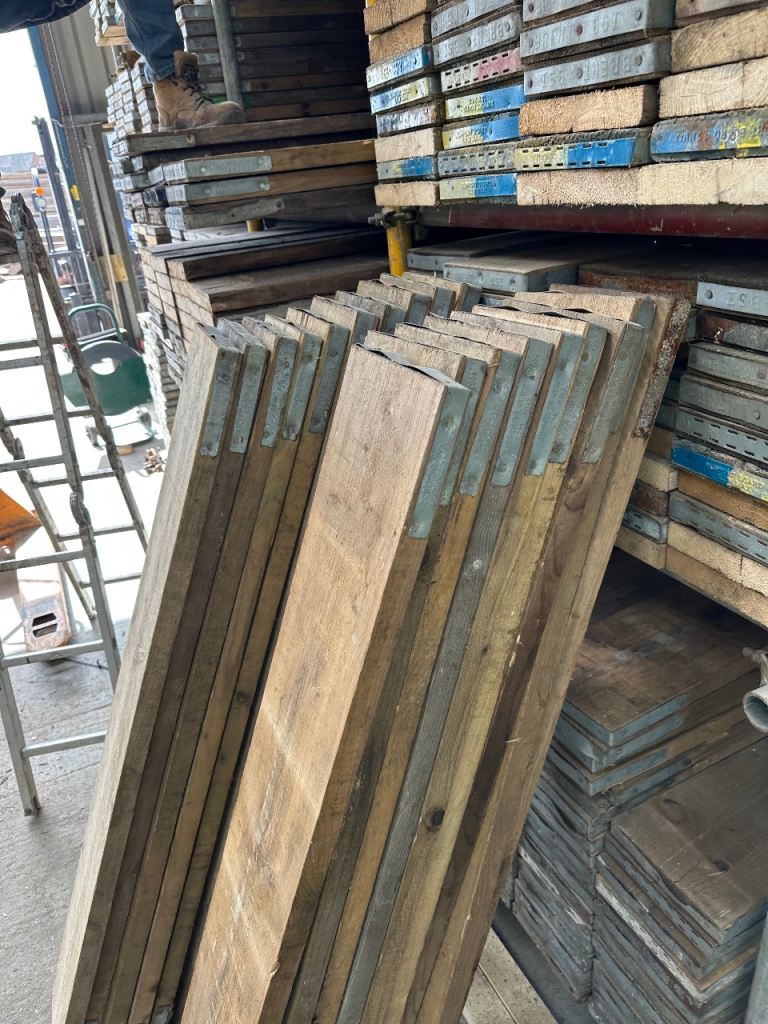
Reclaimed scaffolding boards are ideal for buyers who want more personality, a more weathered finish, and stronger rustic character. They are especially popular for shelves, benches, statement planters, decorative features, and outdoor spaces where the timber itself is part of the design.
Both have their place. The right option depends on whether you want cleaner lines or more natural texture.
The Best Garden Projects to Build with Scaffolding Boards
If someone is searching with buying intent, they are usually trying to picture what they can actually make. Here are some of the most popular scaffold board garden projects:
- raised vegetable beds
- herb planters
- flower planters
- patio troughs
- rustic wall shelves
- greenhouse shelving
- potting benches
- outdoor side tables
- garden benches
- compost area surrounds
- edging and borders
- log store tops
- shed shelving
- outdoor bar shelves
- fence-mounted planter shelves
- children’s mud kitchens
- decorative garden screens
- compact vertical planter stands
This is one of the biggest strengths of scaffolding boards. One material can work across multiple practical and decorative uses, helping create a consistent style throughout the garden.
Why Buyers Often Prefer Scaffolding Boards Over Other Timber for Garden Projects
The real appeal of scaffolding boards is not just that they are timber. It is that they feel like useful timber with real presence.
They tend to look thicker, stronger, and more purposeful than many basic garden boards. They suit both DIY and professionally finished projects. They work in rustic gardens and more modern outdoor spaces. They can be used for practical builds and decorative statement pieces.
That balance is hard to beat.
For many buyers, they also simplify decision-making. Instead of choosing one product for planters, another for shelving, and another for benches, they can use scaffolding boards across everything and create a more cohesive result.
How to Get the Best Result from a Scaffolding Board Garden Project
Good results usually come down to planning. Before buying, think about:
- the exact project you are building
- whether you want new or reclaimed boards
- the finish you prefer
- whether you need full lengths or shorter sections
- how the project will sit in the overall style of the garden
- whether you want matching boards across several features
This helps avoid buying the wrong type of board for the job and makes the final result feel more intentional.
Final Thoughts
If you are looking to buy scaffolding boards in Nottingham for garden planters, raised beds, rustic shelves, benches, or outdoor DIY, it makes sense to choose a material that can do more than one job well.
Scaffolding boards are popular because they offer strength, style, flexibility, and real visual impact. They are practical enough for hard-working garden builds, attractive enough for feature pieces, and versatile enough to use across an entire outdoor space.
That is why so many buyers in Nottingham and Nottinghamshire search for them when planning planter boxes, vegetable beds, shelving, seating, and rustic garden upgrades. They are not just buying boards. They are buying a material that helps turn useful ideas into finished garden projects that actually look the part.
FAQs
Are scaffolding boards good for garden planters?
Yes. They are a popular choice for garden planters because they look substantial, work well in rustic and modern gardens, and can be used to build many different planter sizes and styles.
Are scaffolding boards good for raised beds?
Yes. They are widely used for raised beds because they create strong, tidy, and practical growing areas for vegetables, herbs, flowers, and shrubs.
What garden projects can you make with scaffolding boards?
Common projects include raised beds, planters, shelves, benches, potting benches, outdoor tables, storage shelves, edging, mud kitchens, and decorative garden features.
Should I buy new or reclaimed scaffolding boards?
Choose new boards if you want a cleaner and more uniform finish. Choose reclaimed boards if you want more texture, character, and rustic appeal.
Why are reclaimed scaffolding boards popular in gardens?
They add natural character, suit rustic design styles, and work especially well for shelves, benches, feature planters, and decorative outdoor projects.
What do people search for when buying scaffolding boards in Nottingham?
Many buyers search for terms such as scaffolding boards Nottingham, reclaimed scaffolding boards Nottingham, scaffold board shelves Nottingham, scaffolding boards for planters Nottingham, and scaffolding boards for raised beds Nottingham.
Are scaffolding boards only good for planters and beds?
No. They are also widely used for shelving, seating, garden furniture, storage, edging, cladding, and a range of practical outdoor DIY projects.
Why do scaffolding boards work so well in rustic garden design?
Their chunky shape, natural timber grain, and weathered character make them ideal for creating warm, practical, and visually interesting outdoor spaces.